
What full-service moving takes off your plate
Packing and heavy furniture take time, especially when stairs or limited access slow the day down. Hiring full-service movers shifts more of that work to a professional crew, though the added help usually comes at a higher cost.
This guide explains what full service includes, where the tradeoffs show up, and when residential moving services may fit your move.
What full-service movers do and how service levels differ
Full-service moving goes beyond transportation. Depending on the package, movers may pack belongings, prepare furniture, unload, and help with setup.
“Full service” also varies by company. Some full-service moving services include packing materials or unpacking, while others charge separately. When comparing house movers’ services, focus on what each quote actually includes, not only the price.
How full-service moving works from quote to final placement
A well-planned move starts before the crew reaches the driveway. The process usually follows a clear sequence.
- Share the move details. Tell the mover what you’re moving and describe access at both locations. Point out stairs or elevators, then mention any unusually heavy items.
- Review the service scope. Confirm whether the quote covers packing, materials, furniture preparation, unpacking, or other requested help.
- Prepare personal items. Set aside medications and important documents. Keep anything you don’t want on the truck in a marked area.
- Let the crew prepare the shipment. Movers pack the agreed rooms and protect furniture according to the service plan.
- Load and transport the belongings. The crew organizes the truck and secures items for the trip.
- Unload and place items. Movers bring belongings into the new home and follow your placement instructions.
Full-service moving examples for different households
The right service level depends on how much work you want to hand off.
A family leaving a four-bedroom home with only a few days to prepare may benefit from full packing. A renter who already packed a one-bedroom apartment may only need loading, transportation, and unloading.
Another household may pack clothing and personal items themselves, then ask the crew to handle the kitchen and large furniture.
All Smiles Moving offers residential moving services for households that want organized help based on their move. We also offer furniture moving services for large or difficult pieces.
The pros and cons of hiring full-service movers
Full service offers real convenience, but it also adds cost and changes how much control you keep over packing.
Advantages of full-service moving
- Less physical work: A trained crew handles repeated lifting and difficult furniture moves, reducing the heavy work you need to do yourself.
- More time for other responsibilities: Packing help frees up time for work and family responsibilities. It also leaves more room for cleaning or move-in coordination.
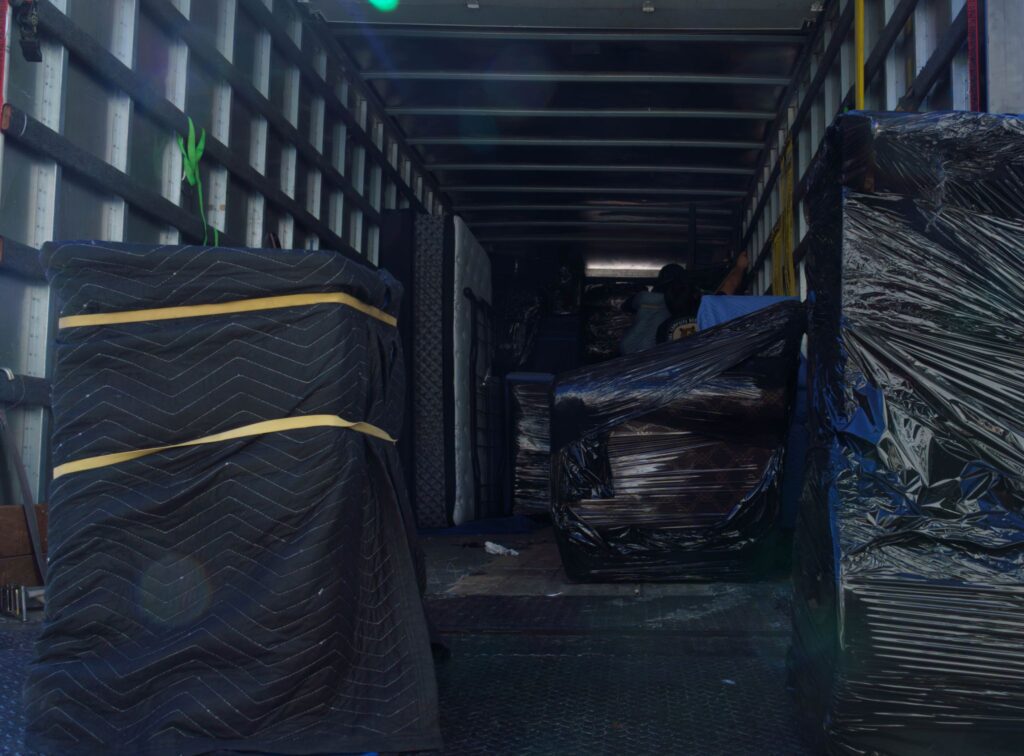
- Professional furniture preparation: Movers use padding and other protective materials to prepare furniture for the truck.
- A more organized loading process: An experienced crew plans how they load items into the truck and secures the load for transport.
- Fewer people to coordinate: You don’t need to recruit friends or family for a full day of lifting.
Disadvantages of full-service moving
- Higher cost: You pay for more labor and may also pay for packing materials or specialty services.
- Less control over packing: Some customers prefer to pack sentimental belongings or personal items themselves.
- More access to your home: Full packing may require movers to work in closets and cabinets, including private rooms.
- Service differences between companies: Full-service moving services don’t always include the same tasks, so assumptions may create surprises later.
The best value comes from paying for work that saves meaningful time or physical effort.

Common mistakes to avoid when hiring full-service movers
- Assuming “full service” means everything. Ask the mover to explain exactly where its work starts and stops.
- Leaving out access details. Tell the company about stairs or elevators before the crew arrives. Mention parking limits and long carries as well.
- Packing work you already paid for. Confirm which rooms the crew will pack before you spend hours doing the same work.
- Failing to separate essentials. Keep keys, medications, documents, and immediate-use items away from the shipment.
- Comparing price without comparing scope. Two house movers’ services may quote different totals because they include different labor or materials.
- Waiting to mention specialty items. Pianos, large safes, or gym equipment may require a different plan.
What to check before choosing a mover
The Federal Trade Commission recommends getting written estimates and asking how the mover handles damaged belongings. Review the FTC’s consumer guidance for hiring a moving company before comparing providers.
For interstate moves, FMCSA explains binding and nonbinding estimates and how added services may affect pricing. See its guidance on binding moving estimates.
How to choose the right level of moving help
You don’t need the largest service package simply because you want professional movers. Start with the parts of the move that create the biggest burden.
A little preparation also helps you get more value from the service you choose. Walk through each room before requesting a quote and decide what will move, what will stay, and what you want to pack yourself. That gives the crew a clearer picture of the workload and helps you avoid paying for tasks you already planned to handle.
It also helps to identify the areas most likely to slow the move. Tight stairways, long walks to the truck, or bulky furniture may require extra time. Sharing those details early gives the moving company a better starting point for planning the crew and schedule.
Full service may fit well when:
- You have several rooms left to pack.
- Your move-out date leaves little time for preparation.
- Heavy lifting creates a physical challenge.
- You want professional help with furniture or fragile belongings.
- Work or family responsibilities already fill most of your schedule.
A smaller service package may fit better when:
- You already packed most of the home.
- You prefer to pack personal belongings yourself.
- You mainly need help loading and unloading.
- Your move involves only a few large pieces.
When comparing full service movers with smaller packages, look at the time you’ll save and the work you’ll avoid. The most extensive package doesn’t automatically offer the best value.
FAQ
Do full-service movers pack everything in the house?
The answer depends on the package and the company’s policies. A full packing service may cover most household belongings, while the mover may restrict the packing of hazardous materials or certain valuables. Ask for clear packing guidelines before moving day so you know what the crew will handle and what you should keep with you.
Should I pack anything before full-service movers arrive?
You usually don’t need to pack rooms covered by your packing service. Instead, remove items you don’t want moved and set aside personal essentials. Give the crew clear direction on what should stay behind so they don’t spend time sorting through belongings you planned to handle yourself.
Do full-service movers take furniture apart?
Many movers offer furniture disassembly and reassembly as part of certain service packages. The crew may disassemble and wrap furniture before the move, then reassemble and place it at the new home. Ask about unusual furniture before moving day so the crew arrives with the right plan and equipment.
Are boxes and packing supplies part of full-service moving?
The answer varies by mover. Some companies include standard materials, while others charge separately according to the supplies the move requires. Packing materials may come with residential packing services, depending on the moving package and the company’s pricing. Review your written quote so you understand how the company handles material costs.
Is full-service moving worth the extra cost?
Full service usually offers the strongest value when packing time feels limited or heavy lifting presents a challenge. It also suits households that would rather spend their available time on work or move-related responsibilities. If you’ve already packed most of your belongings, a smaller service package may offer better value.
What affects a move in Utah
Stairs, limited parking, and hillside access often affect how crews plan a move in Utah. Weather also plays a role, especially with winter snow or summer heat.
Local movers may offer packing help, upfront pricing, and support through unloading. Comparing those details makes it easier to see whether full-service moving services or a smaller moving package fits your needs.
Choose All Smiles Moving
Full-service moving works best when the time and physical effort it saves justify the added cost. A smaller move may only need transportation or furniture help. Compare the scope of house movers’ services before you decide which full service movers fit your needs.
All Smiles Moving offers local moving help built around clear planning and careful handling. Contact All Smiles Moving for a free quote and talk through the level of help that fits your move.